


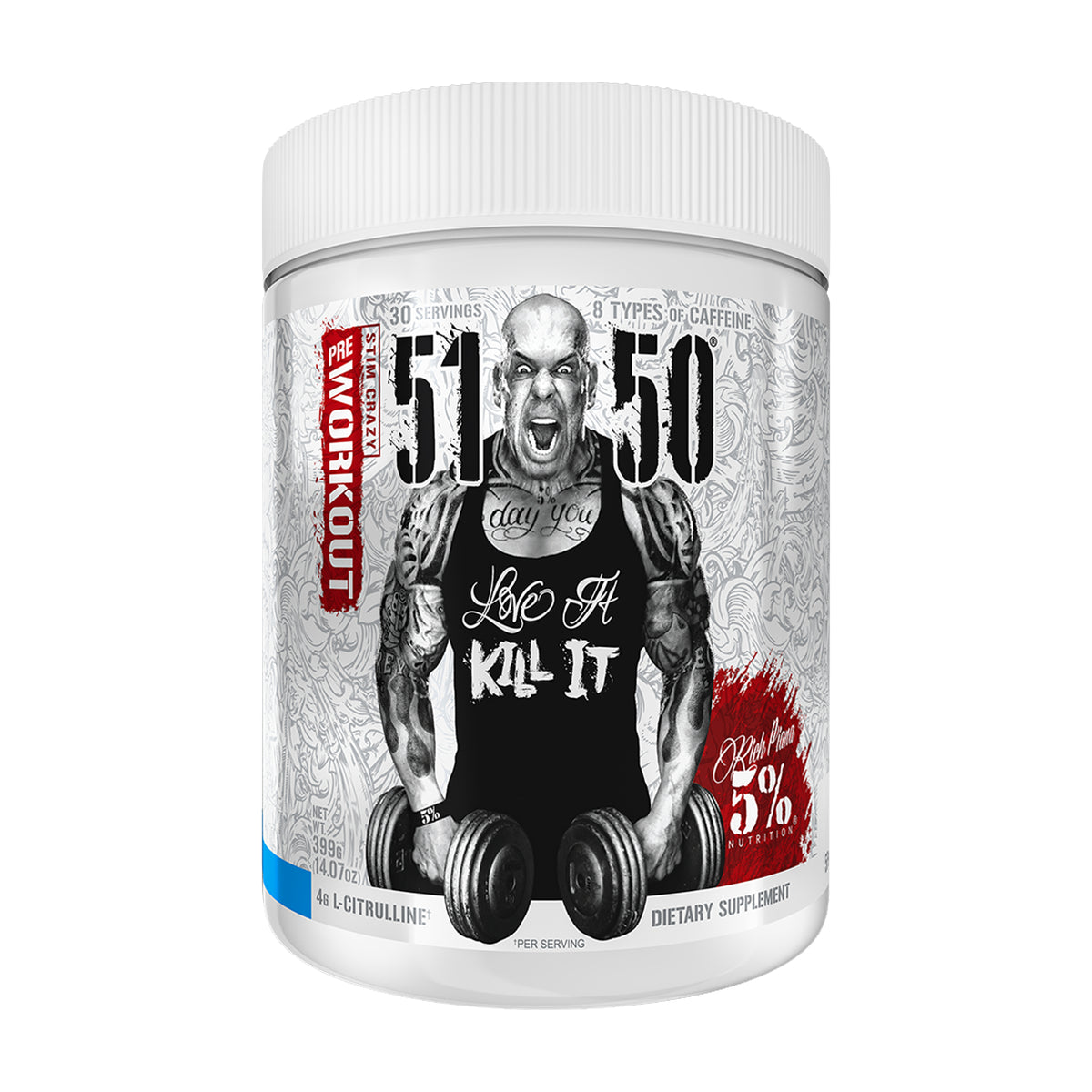


Type: Pre-workout
Applied Nutrition ABE Ultimate Pre-workout


Type: Pre-workout
Viking Power Leviathan Hardcore PWO
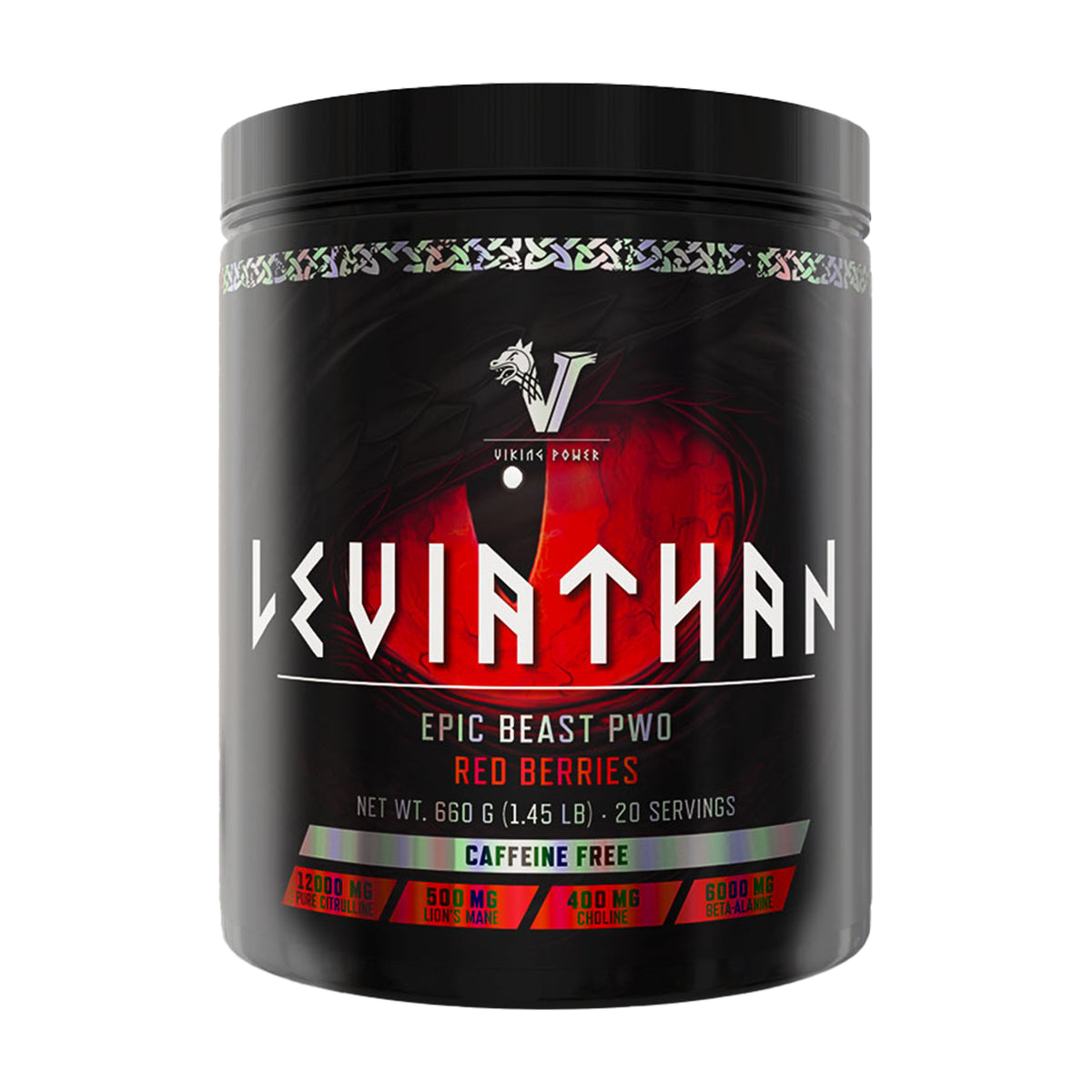

Type: Pre-workout
Viking Power Leviathan Hardcore PWO Caffeine Free


At Best-Supps, you'll find pre-workout boosters from international premium brands – with caffeine levels ranging from around 150 mg to over 400 mg per serving, or completely caffeine-free, in a wide range of flavors. Discover the full range of boosters below and find the training booster that's right for you.


What is a pre-workout booster?
A pre-workout booster – often simply called a "booster" or "training booster" – is a dietary supplement taken shortly before training. It is usually a powder mixed with water, but boosters are also available as capsules or ready-to-drink beverages. Boosters are typically taken 20 to 30 minutes before training, usually mixed with water as a powder. They are also available as capsules or ready-to-drink beverages.
Boosters are typically a combination of several ingredients – often caffeine, along with amino acids such as citrulline or arginine, and beta-alanine in many formulations. Unlike creatine, which is taken daily, a booster is linked to training days. As a "pre-workout," "pump booster," or "gym booster," it is part of the pre-workout ritual for many.
What's inside a booster
Boosters are mixtures of a few recurring building blocks. What sets them apart is almost never the list of ingredients, but the amount per serving. Two products with identical names on the container can differ by a factor of three.
A booster replaces neither training nor sleep nor nutrition. What a specific product contains is stated in the nutritional table on the packaging, and that is exactly where you should look before purchasing.
Typical ingredients at a glance
Boosters differ primarily in their ingredients. These components occur particularly frequently:
Caffeine
Caffeine is the most prominent ingredient by quantity and the factor that distinguishes two boosters most strongly. Caffeine is included in the formulation as pure caffeine, anhydrous caffeine, or through plant extracts such as guarana. There is no approved health claim for caffeine in the EU, which is why no statement about its effects is provided here. What we can state are the quantities. Depending on the product, the caffeine content varies – an important point to consider when purchasing. Depending on the product, boosters contain between around 150 and 400 mg of caffeine per serving. The EFSA considers a single dose of 200 mg and a total daily intake of 400 mg from all sources to be safe for healthy adults. All sources means: coffee, tea, cola, and energy drinks are all included. A high-dose product thus largely exhausts the daily limit before training.
Citrulline and arginine
L-citrulline, often as citrulline malate, and L-arginine are amino acids. Citrulline is partially converted into arginine in the body. There is no approved health claim for either in the EU, which is why it is not stated here what they do. What can be compared is the amount per serving and, in the case of citrulline malate, the ratio: at 2:1, around two-thirds is citrulline, while at 1:1, it is only about half. Typical servings are 3 to 8 g.
Beta-alanine
Beta-alanine is contained in many boosters and is responsible for the slight tingling sensation on the skin that some people feel shortly after taking it – it is harmless and temporary. It is often used in combination with the other ingredients.
Other ingredients
Depending on the formulation, other components are added, such as L-tyrosine or taurine. There are also no approved health claims for these two, only the included amount can be stated. Some boosters also combine creatine; beta-alanine is combined with histidine in the body to form carnosine, which is stored in the skeletal muscles. There is no approved health claim for beta-alanine. The tingling is a sensory perception, not evidence of an effect. Not everyone feels the typical tingling to the same extent, and it occurs most frequently at 3.2 to 4 g per serving. At too high a dosage, side effects such as stomach pain or gastrointestinal discomfort are possible. A look at the list of ingredients will show you what the respective booster is focused on.
Boosters with or without caffeine?
One of the most important decisions is the question of caffeine. Both variants have their place – the choice depends on your goal and your training time.
With caffeine (stim booster)
Caffeine-containing boosters contain between around 150 and 400 mg of caffeine per serving, depending on the product. They are less suitable for late evening training because caffeine remains in the body for several hours. They are less ideal for late evening training because caffeine can disrupt sleep.
Without caffeine (stim-free / pump booster)
Caffeine-free boosters – often called "stim-free" or "pump boosters" – contain the same amino acids, just without the caffeine. They are ideal for evening training, for caffeine-sensitive people, or for anyone who wants to preserve their caffeine tolerance. Even those who already drink coffee or energy drinks often opt for the stim-free version.
Stim vs. stim-free at a glance
Feature | With caffeine (stim) | Without caffeine (stim-free / pump) |
|---|---|---|
Caffeine per serving | around 150 to over 400 mg | 0 mg |
Ideal training time | Mornings, during the day | Evenings, anytime |
Suitable for caffeine sensitivity | Less suitable | Yes |
Typical ingredient | Caffeine | Citrulline |
Pre-workout booster intake & dosage
A booster is generally taken about 20 to 30 minutes before training, as stated in most directions for use. Some people take the booster on an empty stomach; the most important thing is to pay attention to individual tolerance. Usually, one serving of powder is mixed with water in a shaker. The exact serving size, time of intake, and maximum daily amount are stated on the respective product packaging – always follow the manufacturer's instructions and do not exceed the recommended amount.
Especially with caffeine-containing boosters: it is better to start with a smaller amount to test your tolerance, and do not take it too late in the day so that your sleep does not suffer. With regular use, you may also develop a tolerance to the stimulants contained. It is always a good idea to pay attention to adequate fluid intake during training.

Booster types: Energy, Pump & All-in-One
In addition to the question of caffeine, boosters can be roughly distinguished by their focus. This helps you find the right product more quickly.
Energy boosters
The variant with the highest caffeine content in the range. The focus is on the caffeine content, which is usually highest here – for example on tired days or for early training.
Pump boosters
Usually caffeine-free and usually caffeine-free, with citrulline as the largest ingredient by quantity. Popular for evening training and for anyone who wants to avoid stimulants but still train intensely.
All-in-One & Hardcore boosters
Comprehensive formulas that combine energy and pump ingredients and are often higher in dosage. They are aimed more at experienced users who are looking for a powerful all-round booster. Beginners should gradually work their way up with moderately dosed products.
Who is a pre-workout booster suitable for?
A booster is especially interesting for anyone who wants to take something before training, whether on tired days, for early training, or before a particularly intense session. Beginners should start with moderately dosed products, while experienced athletes often opt for more strongly dosed "hardcore" boosters.
Anyone who is sensitive to caffeine, trains late, or wants to wind down in the evening is well advised to use a caffeine-free pump booster. It remains important: a booster is a situational aid for training, not a daily necessity and not a substitute for sufficient sleep.
Buying a pre-workout booster – what should you look for?
A few criteria will help you choose the booster that is right for you.
With or without caffeine
The first decision concerns caffeine, and it is usually answered by your training time and your overall caffeine intake, not by the product. After that, the selection splits.
Transparent dosage
Good boosters openly show which ingredient is included in what quantity, instead of hiding everything in an opaque mixture. Transparent information is a quality mark.
Caffeine content
Pay attention to the caffeine content per serving and choose it according to your tolerance. Anyone who is already caffeine-sensitive should dose moderately or opt for the stim-free variant.
Taste & Solubility
Boosters are available in many, often fruity and tangy, flavors. Good solubility ensures a pleasant, lump-free drink – a feature that distinguishes the established premium brands.
Brand & Quality
Renowned manufacturers stand for refined formulations and transparent information. At Best-Supps, we deliberately focus on international premium brands – which ones they are in the booster category, you can see in the next section.
Popular booster brands at Best-Supps
In the booster segment, a few names have established a solid reputation. These include Cellucor with the well-known C4, Applied Nutrition with ABE (All Black Everything), Ghost, and Naughty Boy. A popular product from the range is, for example, Original-Ware, declared for the EU market. Through the respective brand page, you get directly to the manufacturer's complete range.
Suitable categories & useful additions
A booster can be easily combined with the rest of the range. As a daily basic supplement around training, Creatine is a good fit. The approved statement for it is: Creatine increases physical performance in fast-strength training within the framework of short-term intense physical activity. It applies to a daily intake of 3 g of creatine, which corresponds to 3.42 g of creatine monohydrate. Many use both in parallel. For protein supply after training, Whey Protein and Whey Isolate are suitable. As a supplement, Amino Acids (BCAA/EAA) fit well. Anyone who prefers a ready-made drink with caffeine instead of powder will find an alternative with an Energy Drink.
Important notes & Storage
Pre-workout boosters – especially those containing caffeine – are powerfully dosed products. Always follow the dosage stated on the packaging and do not exceed the maximum daily amount. Do not take caffeine-containing boosters too late in the day and do not combine them carelessly with other caffeine-containing products. In case of uncertainty or pre-existing health conditions, restraint is advisable. Boosters are intended for healthy adults and are not a product for children or adolescents.
For storage: keep powder dry, sealed, and protected from heat and moisture, so that it remains free-flowing and aromatic. It is best to mix a fresh serving. You will find the best-before date and all instructions on the respective packaging.
Frequently Asked Questions about Pre-Workout Boosters (FAQ)
A Pre-Workout booster is a dietary supplement taken shortly before training to feel more awake, more focused and more ready to perform. It is usually a powder with ingredients like caffeine and citrulline.
Usually about 20 to 30 minutes before training, so the ingredients take effect in time. The exact recommendation is stated on the product packaging.
Caffeinated boosters provide energy and focus, caffeine-free ones (Stim-Free/Pump) focus on the muscle feel. Without caffeine they are better suited to evening training and for caffeine sensitivity.
A Pump booster is usually caffeine-free and geared toward an intense, full muscle feel during training – often via ingredients like citrulline.
The slight tingling usually comes from beta-alanine, a common booster ingredient. It is a harmless, typical effect that disappears again after a short time.
Many people combine the two. Some boosters even already contain creatine. In that case, watch the total amount and follow the manufacturer's instructions for both products.
Yes, but start with a smaller serving and a moderately dosed product to test your tolerance – especially to caffeine.
A booster is intended as a situational extra on training days, not as a daily must. Stick to the maximum daily amount on the packaging and, especially with caffeinated products, allow yourself breaks now and then to maintain your caffeine sensitivity.
No, a booster is not a must. Training, sleep and nutrition are the foundation. A booster is an optional extra that can make training more pleasant or more focused on certain days – nothing more.
Yes. Caffeine-free boosters (Stim-Free or Pump boosters) focus on the muscle feel instead of stimulation and are well suited to evening training and for caffeine sensitivity.
Das steht in der Nährwerttabelle des jeweiligen Produkts und reicht von koffeinfrei bis über 400 Milligramm je Portion. Wenn dort mehrere koffeinhaltige Zutaten stehen, aber nur bei einer eine Milligrammzahl, liegt die tatsächliche Gesamtmenge über der aufgedruckten Zahl.
Einige Hersteller fassen mehrere Zutaten zu einer Mischung zusammen und geben nur deren Gesamtgewicht an. Die Rezeptur bleibt damit geschützt — für den Vergleich zweier Produkte fehlt aber die entscheidende Angabe, weil unbekannt bleibt, wie viel von jeder einzelnen Zutat enthalten ist.